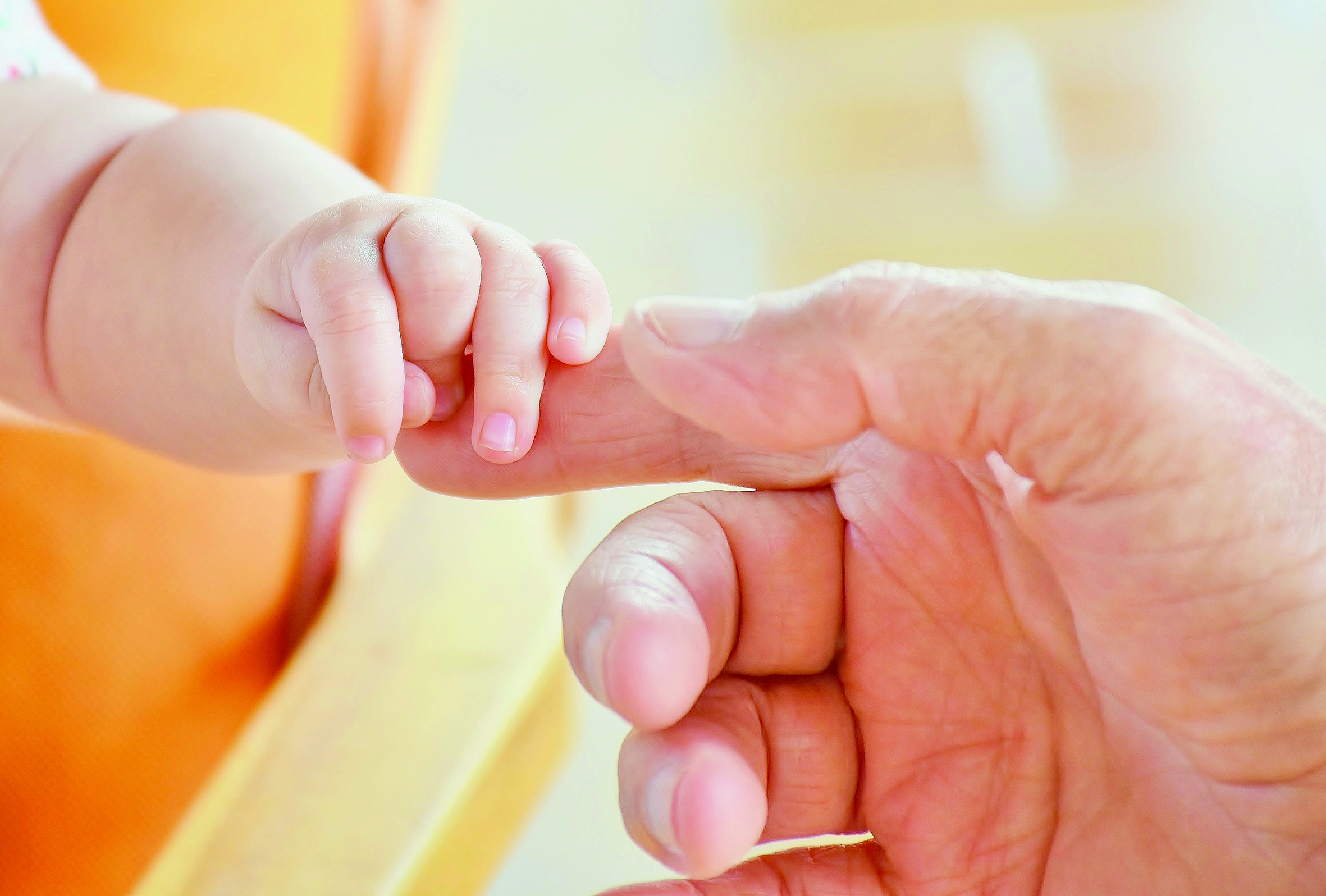

Touch Therapy
By Heather Newsome | Feb 01, 2021
This is an extract from The Rosicrucian #83 (Feb 2021)
IN THE early 1990s many East European countries managed to throw off over 45 years of harsh totalitarian rule that the majority of their people had been forced to endure for so long. But with the new freedoms that arrived, came freedom of the press as well, and soon afterwards, reports started emerging of one country in particular where appalling conditions had existed for decades in their state controlled orphanages due to basic lack of knowledge and experience by the carers employed in them. From those stories of neglect and indifference to small, orphaned children, people the world over learned a lot about the fundamental importance of providing children with stable, loving and caring environments in which to develop their innate abilities from as young an age as possible.
Children were packed into cramped, cold conditions in these institutions and segregated by age. There was an insufficiency of food, heating and clothing, but more importantly, a huge deficit in physical contact and interaction both with adults and with other children of their own age. These institutions were stark, quiet places where the normal sounds of laughter and of children at play was entirely absent; and the children were listless and prone to illness.
Many well-researched studies have looked at the affects of the deprivation of contact that these children had to endure and the awful consequences of mental and physical underdevelopment that were common among them later in life. While the children displayed developmental delays and poor emotional, cognitive, language and behavioural skills, when environmental factors changed for the better, and the children received nurturing and physical contact, they showed remarkable improvements. Those who were adopted and nurtured before the age of six months rapidly improved and were soon at the developmental level of other children. Those who were adopted after the age of six months also showed big improvements, but lagged behind those of other children for many years before catching up with them. One of the primary conclusions of the studies was that something as simple as physical touch given with kindness is a vital ingredient for the wellbeing of children, and indeed for adults.
What is there about the sense of touch, and especially touch that is given with caring, loving hands, that can bring about such miracles of physical, emotional and spiritual healing? Something, without which our lives can seem so empty, hard, sick and indifferent, is undoubtedly the touch of kindness that someone bestows upon us. Without this caring physical contact, we can lose our sense of will and purpose in life. From the bright, beautiful colours of a happy life surrounded by caring, tactile friends, without them, we soon descend into a monochrome world of dull shades of day upon day of more of the same.
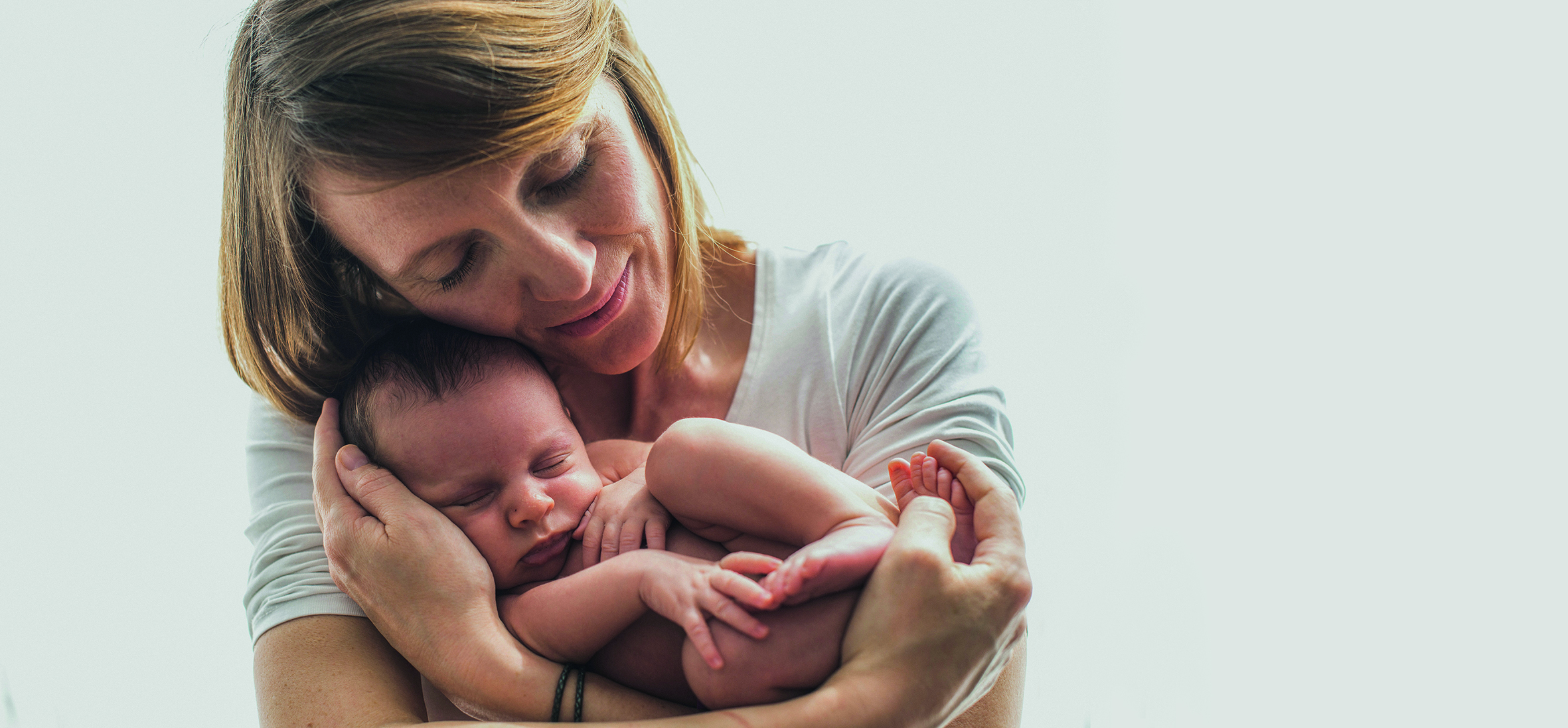
In past decades, parents were encouraged not to express emotions of love and caring on children, as they should learn to grow up and take the knocks of life on their own. The stiff upper lip approach was to ‘allow’ children to develop ‘in their own way’, and ideally to experience the rough edges of life as early on as possible in order to ‘toughen them up.’ Thankfully times have changed and parents are now encouraged to hold and show affection to their children. There is no longer a social stigma in showering one’s child with love and caring, and that, thankfully, is one product of recent decades we can be deeply grateful for.
Some experiments in sensory deprivation have been performed with human volunteers. While physically confined, they were subjected to no sounds, sights or temperature changes, and this deprivation of normal sensory input led their minds to wander and they entered worlds of fantasy and delusion, and very often ended up having hallucinations for the first time in their lives. So, while extensive and intensive sensory deprivation is without doubt harmful for adults, it is much worse and more lasting for infants and young children! The world of sensory input is of crucial importance for us all, and absolutely fundamental for the growth and maturation of our brain and its associated thought processes. Without a wide variety of input that only a varied life can give, we stunt our growth on all planes of our being, and gentle, well-meaning tactile contact with other humans is very important for our wellbeing.
...physical touch given with kindness is a vital ingredient for the wellbeing of children
Whereas our senses sight, sound, smell and taste have been extensively explored over the past century, our sense of touch is the least understood of them all, despite the fact that it may be the most important one for our long-term well-being. For there is a close relationship between our skin and our nervous system, and furthermore with the mental image we possess of the world around us. In the early days of our foetal development in our mother’s womb, our body-to-be is composed of three sets of special cells. One set, the mesoderm, will form our muscles and bones. Another set, the endoderm, will form our inner organs such as our stomach, intestines, kidneys, liver, lungs, etc. The third set, the ectoderm, forms our nervous system and skin. So, in one sense, our skin emerges from the same tissue from which our brain is formed, and can therefore be viewed as our ‘outer brain’ or an outer extension of our brain. The skin is so full of mechanoreceptors (tactile nerve endings) that if we could see only a person’s nervous system we’d have no trouble outlining the complete shape of the body, all due to the immense complexity of the nerve endings that give us our wonderful tactile sense.
Doors to Our Consciousness
The skin contains millions of sensory receptor organs. They are the doors through which the physical world enters our consciousness. How many types of these sensory receptor end organs do we have? We believe we have, all told, five senses. However, the actual number of senses is debated in the scientific community, with numbers ranging from 12 to 22.

Dogs possess up to 300 million olfactory receptors in their noses, while humans have a mere 6 million.
The more obvious of these message receivers are our eyes, ears, nose and tongue. But even these four can be further subdivided. The eyes have rods in the retina to detect dark and light. They also have cones in the retina to detect various colours. The tongue has sensory receptor organs for salt, sweet, bitter, sour and umami, but maybe one or two other vestigial ones from our ancient past that we’re not aware of yet. Our ears can hear a range of pitches and various intensities of sound from roughly 20 cycles per second to 18,000 cycles per second. Yet, we’re oblivious to very high frequencies that can be heard by some birds and bats, and very low frequencies that can be perceived by elephants through the pads of their feet. In a very real sense then, elephants can ‘hear’ certain frequencies, not through their ears, but through the tactile sense in their feet.
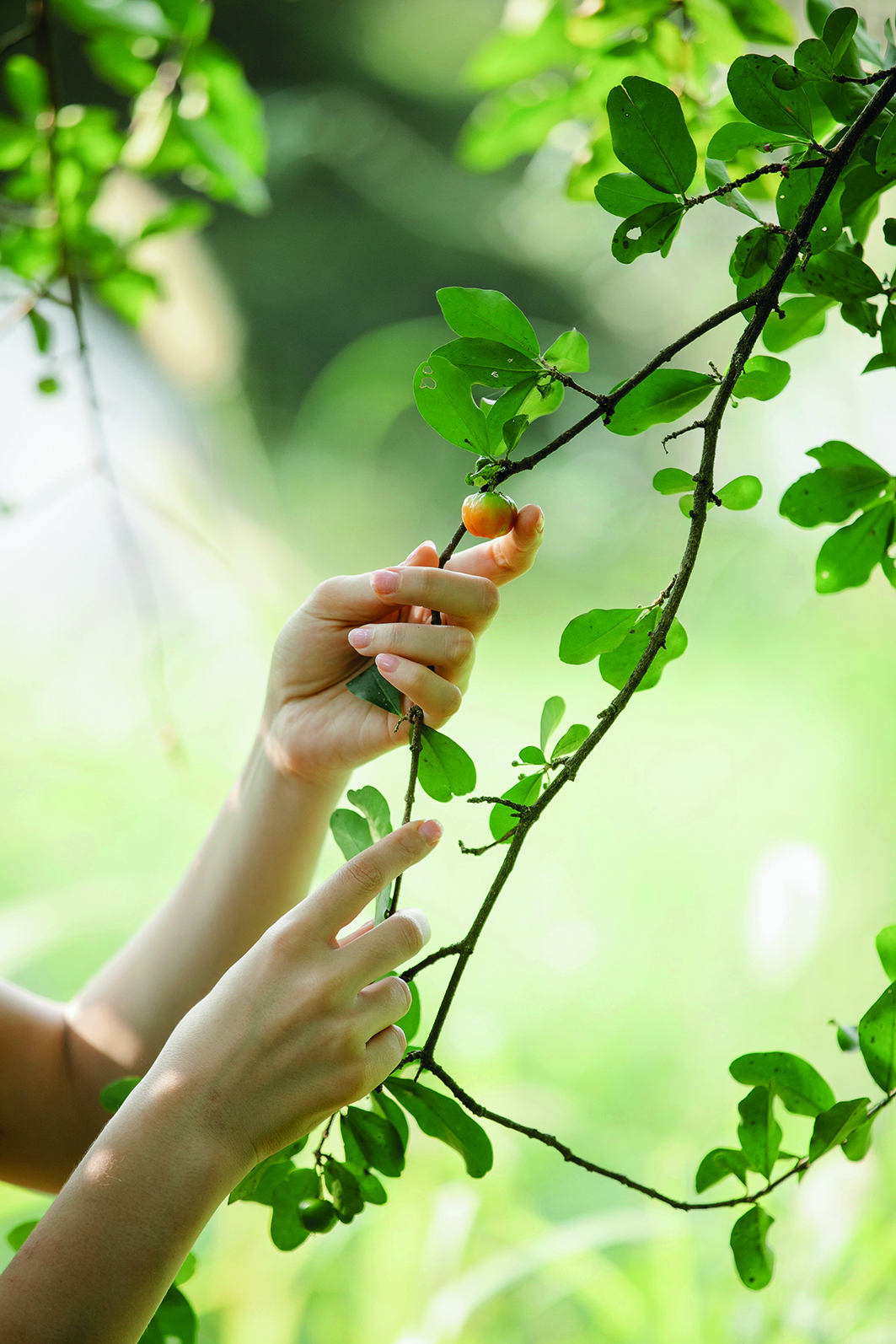
The skin contains millions of sensory receptor organs. They are the doors through which the physical world enters our consciousness.
While humans are inferior to some animals in the realms of sight, hearing, smell and taste, they make up for it in imagination and intellect, as well as the electronic instruments they can use to perceive what only certain animal species can perceive. But smell may be the last frontier in our drive to surpass the sensory scope of other creatures. Dogs possess up to 300 million olfactory receptors in their noses, while humans have a mere 6 million. And the part of a dog’s brain devoted to analysing smells is proportionately 40 times larger than that of humans.
There are at least 11 distinct senses that compose touch, with millions of sensory end organs in the skin. Yet, the sensitivity and end organ density of the palm of your hand for example is only one quarter as dense as the tip of your index finger, which is why you feel most sensitively with the tips of your fingers, not with the palms of your hands. Despite this, touch is probably the most overlooked of our senses. We all receive tactile information about the world around us constantly throughout the day, and even while asleep. Right now, if you’re sitting, you feel the chair cushion below your buttocks. Your fingertips are probably touching a mouse or swiping the glass on your mobile phone. And all this information is so omnipresent in fact, that the only way to make sense of it is to tune out from most it and allow the subconscious mind to deal with it. Indeed, you probably weren’t paying attention to these sensations until you read those words. David Linden, a neurobiologist at Johns Hopkins University once said:
You can’t turn off touch. It never goes away [….] You can close your eyes and imagine what it’s like to be blind, and you can plug your ears and imagine what it’s like being deaf. But touch is so central and ever-present in our lives that we can’t imagine losing it.
The touch receptors come in four varieties according to Linden. There’s one receptor for perceiving vibrations, one for tiny amounts of slippage, one for stretching of the skin, and one that senses the finest kinds of textures. They range from light touch to deep pressure and pain. Again, their distribution in the skin varies as to type and quantity that the body deems necessary for each area under consideration. If you place two fingers an inch or two apart on a person’s back, the person may not be sure whether you have placed one or two fingers. The human back has far less light touch receptors than other skin areas. This is why patients are often very vague as to the exact location of a back pain. Oddly enough, it’s in this lack-of-touch receptor areas of the back that we seem especially receptive to psychic impressions. Our intuitive flashes seem to come from the part of the back between our shoulder blades, directly behind the heart.
We find a more profuse distribution of tactile sense receptors in areas where our outer skin meets our inner, mucous membrane, skin, such as our lips and nasal openings. Also, our fingertips are rich with tactile receptors. Aside from being marvels of dexterity, our hands are our main medium of literally keeping in touch with the physical world. Hands thrive on activity and doctors must take care not to bandage them for long, as they are quick to stiffen under constriction. In a sense, hands represent our life’s work. The use of our hands often marks our talents, our character and our culture. They have come to symbolise life itself. Through human hands have come our great paintings, sculptures, writings, music and so on. And in science, hands have built cars, ships, rockets and computers. Yet, perhaps the most noble use of the hand is still to extend it in kindness to a fellow human being.
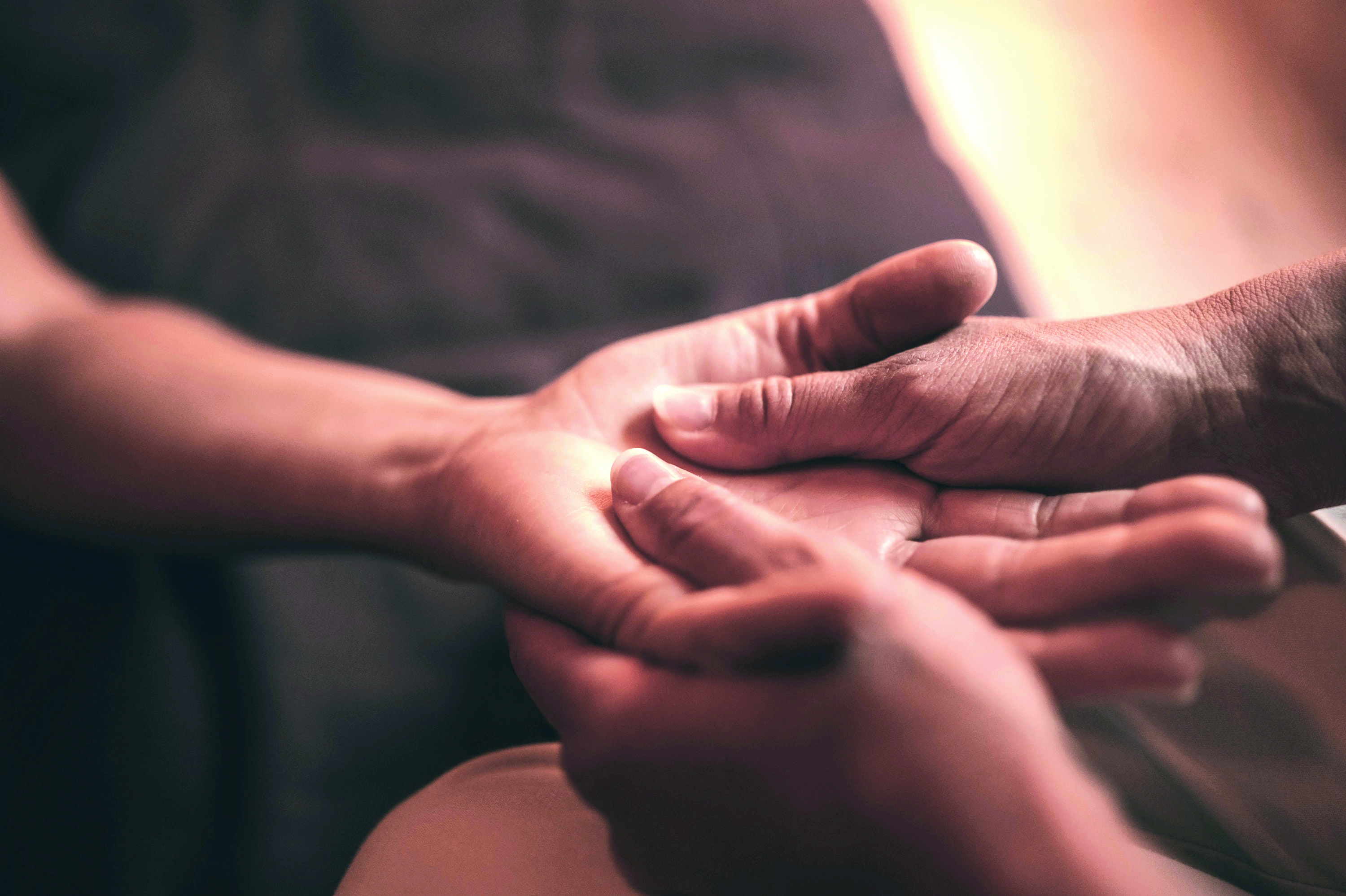
The sensitivity and end organ density of the palm of your hand for example is only one quarter as dense as the tip of your index finger, which is why you feel most sensitively with the tips of your fingers.
Hands and Healing
The earliest recorded use of the human hand for therapeutic purposes goes back to ancient Egyptian times where they wrote about feeling a therapeutic energy (sa ankh) flowing from their fingertips. It is recorded that the pharaoh or his high priest held daily morning healing sessions during which he made vertical passes with his fingertips up and down a patient’s back. This was an early, yet still highly sophisticated, form of hand therapy. The highly sensitive fingertips were approximating the insensitive human back.
The ancient Greek Epidaurus tablets, texts inscribed at Epidaurus, giving details of diseases and cures for worshippers who sought the help of the god of healing at this major sanctuary site, showed how they manipulated the spine of patients. Hippocrates, Galen, and Soranos of Ephesus fostered this therapeutic approach. Hippocrates said: “In all disease look to the spine…” and this may be one of the earliest forms of chiropractic practice.
The chiropractor finds an area of spinal irritation and then manipulates the area to reduce the irritation and normalise nerve impulses from the spine. The osteopath will do soft tissue manipulation of these lesioned spinal areas. The Rosicrucian technique is to apply the fingers and body’s electromagnetic energy to the sympathetic chain ganglia that lie on either side of the spine. Massage and digital acupressure are yet other hand techniques used to in improving human health.
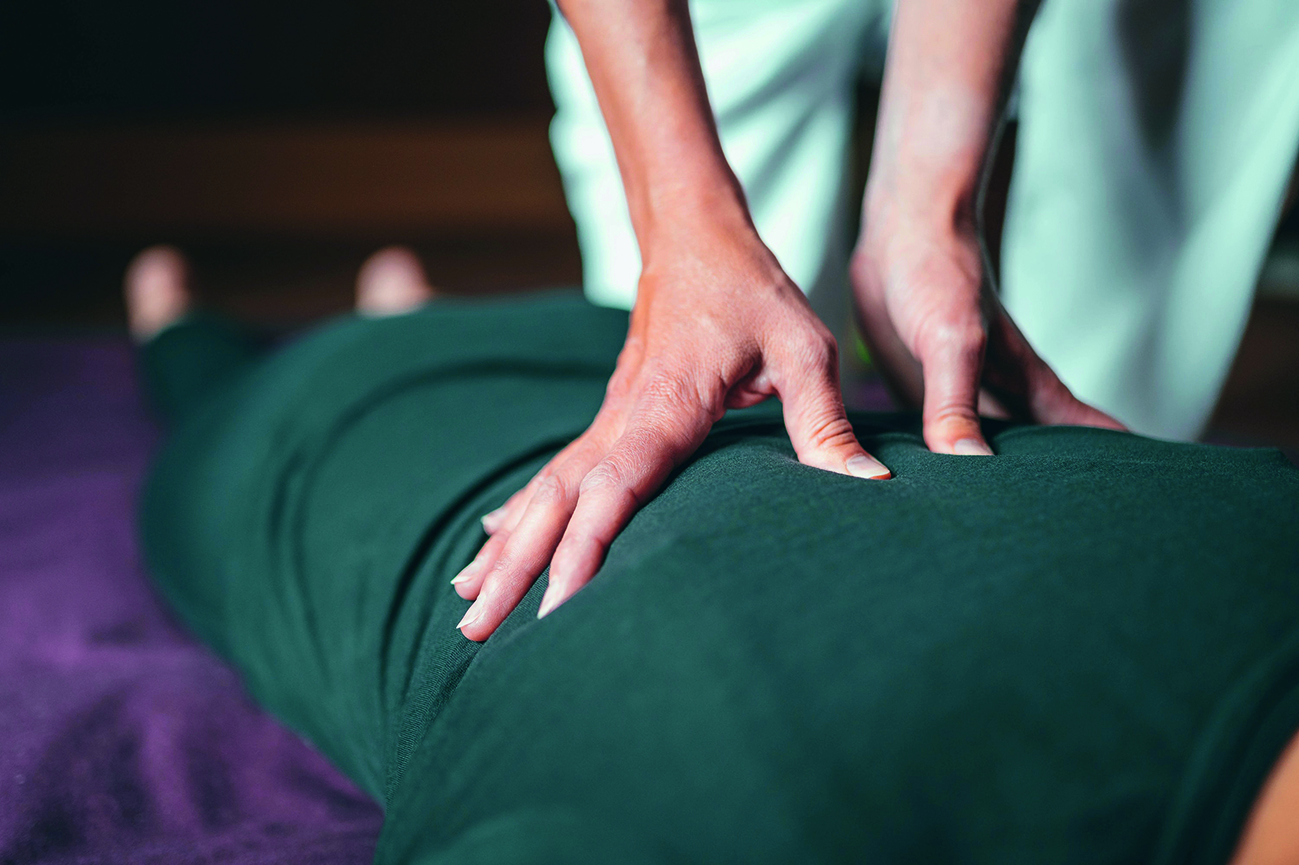
Tender Loving Care
We should not overlook the benefit to people who are ill or children on the spectrum of tender loving care. I refer to the turning and massaging of the patient, propping a pillow, changing bed sheets, as well as giving a gracious, caring smile. Sometimes a sympathetic hand on a fevered brow or simply holding their hand in yours is remembered longer and more endearingly than the most sophisticated treatment.
Aside from the therapeutic touch of others, your body’s sense of touch can be an avenue for you to help yourself. Stretching is a tonic to certain touch organs. A rocking chair is good for your nervous system. So is a bath, shower, towel rub, hair brushing as well as the grooming of the face and body. Applying deep pressure on your cramping muscles will relax them. We really should find the time to expose our skins to the four elements: earth, water, air and sun.
We need to seek out those experiences that are the most wholesome, uplifting, creative and beautiful for us. Without a doubt, this includes being ‘touched’ inwardly by beautiful sights, pleasant sounds, delicious tastes, fragrant aromas, as well as the palpable touch of love. We also need the more formal human relations side to touch, such as a friendly hug at a crucial time, or a kind word to someone needing upliftment. Despair and tension lock your shoulder muscles tight. A sincere, friendly hand helps the muscles relax, if not physically from the other person, then through the mental reset that the recipient receives from the kind gesture. Similarly a heartfelt hug from a friend is always welcome and teaches us to do the same for others and to bond with ever greater portions of the vast egregore of humanity itself.
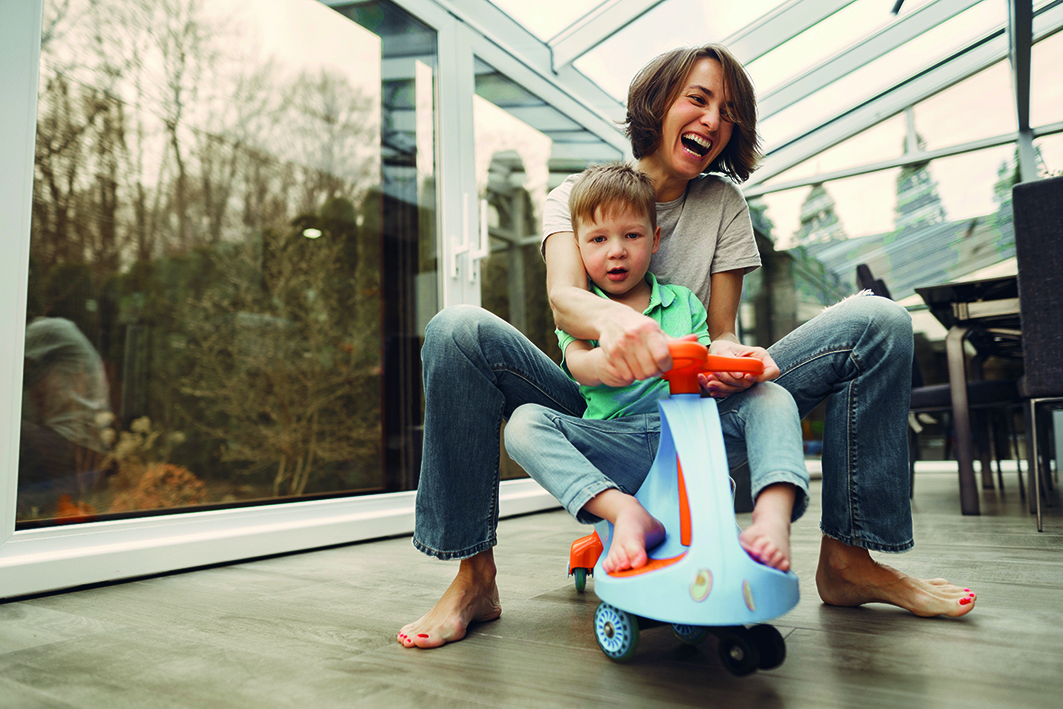
Most animals follow their instincts and play with their young ones. It’s fun and it’s healthy.
Talking and exchanging ideas is good, but friends and loved ones need more. They need the occasional physical touch generated from sincerity, genuineness and love. Parents should get down on the living room floor and play with their children. Most animals follow their instincts and play with their young ones. It’s fun and it’s healthy. Even the most ferocious of animals have been known to become domesticated pets through large doses of petting and affectionate care.
Probably the most helpful thing to do to a withdrawn, frightened or badly-disturbed child is to hold them, hug them and talk softly to them. In this way the boy or girl knows you are concerned. Such human contact through the loving sense of touch absolutely and without the slightest doubt heals deeply and precisely where healing is needed. A judge who had hundreds of juvenile offenders and their parents before him over many years on the bench, made an observation that bothered him. In virtually all of those cases, he never saw a parent put a loving protective arm around a youngster’s shoulders. What a difference it would have made if just a friendly, protective hand had rested on the offender’s shoulders.
Is part of our trouble with today’s youth due to a ‘no touch’ society? Does the lack of the loving touch in our early years lead to emotional instability in our later years? Many researchers believe so, and we should never miss an opportunity of applying a loving touch. It should be done with genuine concern for another’s welfare and is a way of saying: “I care for your wellbeing and love you as if you were my closest sibling.”
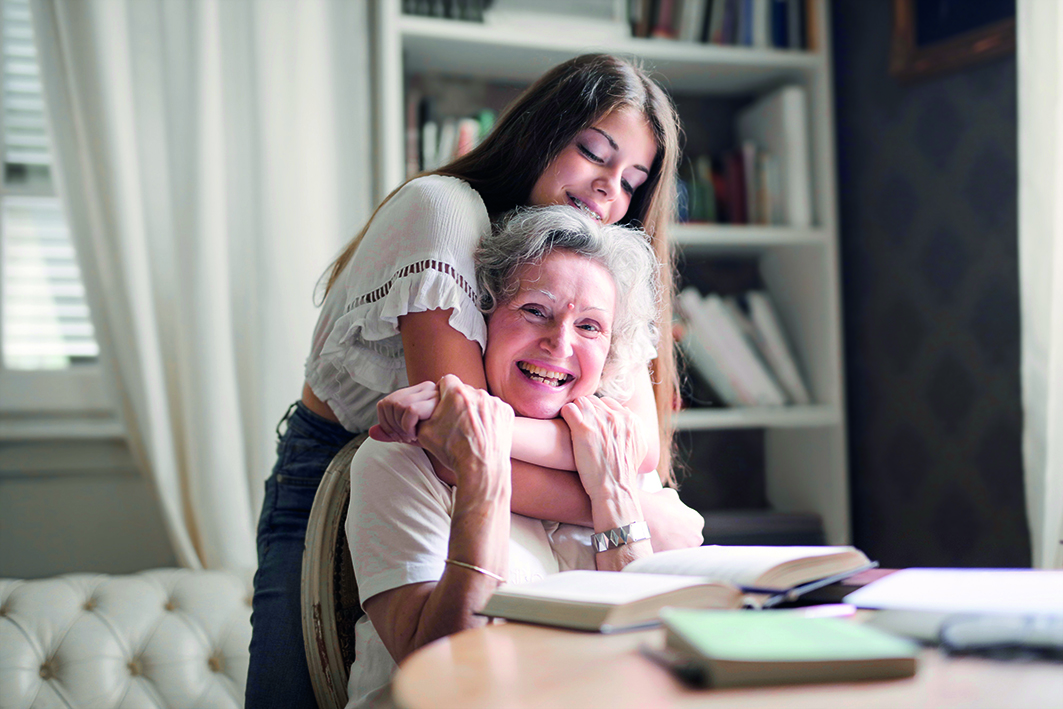
We also need the more formal human relations side to touch, such as a friendly hug at a crucial time, or a kind word to someone needing upliftment.
When is the last time you firmly hugged your partner as if s/he were your whole life to you? Your spouse or partner may well be just that. The protective sense is no small matter. An evil person will think twice before interfering with a parent protecting a child. The protection of others brings out powerful forces in us for good. Have you held an infant lately? Have you cuddled them? They need so much loving physical contact in those early years. Have you ever unashamedly hugged a good friend? It’s friendly and healthy, and reinforces crucial bonds that last in some case throughout life. With others make your handshake warm, sincere and definite as you extend it in friendship.
Touching Others
It’s widely understood within psychological research that a ‘no touch’ society is a society in need of healing, and at the very least, is out of touch with the needs of the human psychic and nervous systems. All this is not to say we should go around touching everyone indiscriminately, but we can place a greater genuineness in our contacts. We can also touch people with our eyes, posture, voice, dress and good manners. We can particularly touch people with kind, sympathetic, understanding words; words that encourage and give strength. Such words help bring to fruition the seeds of greatness we see in each other. We can be touched by beautiful music or the sound of a voice from the heart. We can be touched by beautiful sights, by the smells of nature and the taste of good food.
The greatest handiwork of humankind has been rendered through the heart. Great writers put their hearts on paper with their hands. Great artists put their hearts on canvas with their hands. Try to put your heart into whatever you do with your hands. To work the magic of touch there is one guide for all of us. Let it always be from the heart, and let your heart touch people.
We’re most wholesome when our heart is expressed in our handiwork and when our heart is touched by the handiwork of others. Our birth leaves us with no apparent physical attachments. But let’s not fool ourselves…, we all still need occasional elevating physical contacts. Our nervous system, emotions and heart thrive on it. We need to touch those we love and care for, and they need our heart-felt touch. So, remember: wherever there’s genuine love and true concern, there’s magic in the human touch.